
Jiwan Pani
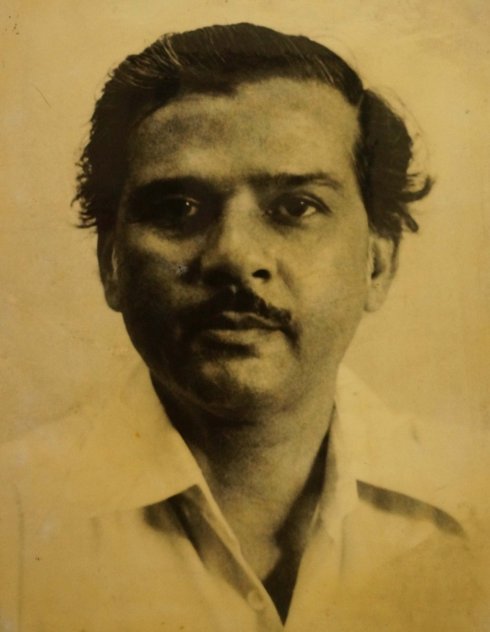
Jiwan Pani
No students recorded yet.
Click any dancer to recenter the tree on their lineage
Lineage Stats
Lineage Overview
- ✦This lineage is based in India.
- ✦Odissi is the primary style.
- ✦No further generations recorded yet — be the first to link a shishya's own students.
🪔 About
Jiwan Pani, born on February 13, 1933, in Baripada, Mayurbhanj district, Orissa, hailed from a Brahmin family. He was the only son of Nakulcharan Pani and Chitra Mani Pani, with six sisters. Academically accomplished, he completed a B.Sc with honours in Physics and a Master's in Education, and also appeared for the Orissa Administrative Services (OAS) examination. From a young age, Pani displayed a profound interest in music, dance, and theatre, alongside hobbies like playing the flute, cricket, photography, and cooking. A celebrated poet and lyricist, his first poem was published when he was thirteen. His lyrical contributions to cinema include two famous songs from the 1964 film "Arundhati": "Aaji Mun Shraboni," sung by Lata Mangeshkar, and "Mayuri Go Tuma," sung by Mohammed Rafi. Jiwan Pani was instrumental in elevating Oriya art aesthetics to a classical level through his extensive work. His significant contributions to Indian performing arts were recognized with several accolades. He received the Sahitya Akademi Translation Award in 1996 for his Odia translation of Parappurath's Malayalam novel 'Ara Nazhika Neram', titled 'Muhan Sanjha'. He was also honored with the Orissa Sangeet Natak Akademi Award for his exceptional studies in the performing arts of Orissa. In 1970, he earned a national award for his pioneering documentary film on Chhau Nritya. Pani's professional journey in the arts began in 1970 when he joined the Sangeet Natak Akademi in Delhi. From 1985 until his retirement in 1994, he served as the Director of Kathak Kendra, New Delhi, where he was highly admired. His scholarly pursuits led to extensive research and publications on various Indian classical and folk art forms, including pioneering studies on Chhau and Odissi dance, as well as Indian puppets and masks. His notable books include "The Tradition of Odissi Music" (1984), "The Tradition of Maahaari Dance" (1985), "World of Other Faces - Indian Masks" (1986), "Celebration of Life: Indian Folk Dances", "Ravana Chhaya", and "Back to The Roots (Essays on Performing Arts of India)". Jiwan Pani's legacy is further cemented by his role as a guru and mentor, inspiring numerous artists. Eminent Indian classical dancer Sonal Mansingh considers him her guru and organizes the biennial "Jiwan Pani Memorial Festival" in his honor, celebrating various forms of Indian classical dance. His conceptual and research work continues to influence contemporary performances, as seen in the Odissi production "Maya Darpana" by Art Vision. He passed away around 1998. Awards & Honours: Sahitya Akademi Translation Award (1996), Orissa Sangeet Natak Akademi Award, National Award for documentary film on Chhau Nritya (1970).
Are you a student of Jiwan Pani?
Claim your profile and link to your guru to add yourself to this lineage.
Claim Your Profile