
Dance Lineages & Bani
Named schools of style and tradition — like Vazhuvoor Bani or Pandanallur Bani — distinct from a direct guru-shishya link. Artists tag themselves into the lineage they trained in.
Guru Bipin Singh Style (Manipuri)
ManipuriThe Manipuri school of Guru Bipin Singh, who systematised Manipuri Ras and Sankirtana traditions for the concert stage, codified its talas and teaching method, and — with the Jhaveri sisters — carried the form across India through Manipuri Nartanalaya.
 Acc. No.-139833.JPG)


Lucknow Gharana
KathakThe Kathak gharana of the Awadh court, tracing to Ishwari Prasad and codified through the line of Kalka Prasad and Bindadin Maharaj. Famed for nazakat (delicacy), expressive abhinaya, thumri interpretation and intricate footwork. Acchan Maharaj, Lachhu Maharaj, Shambhu Maharaj and Birju Maharaj were its defining 20th-century masters.


Kalakshetra Bani
BharatanatyamThe style codified by Rukmini Devi Arundale at Kalakshetra, Chennai (founded 1936). Distinguished by its geometric purity, sober costuming and staging, devotional restraint in abhinaya, and systematized teaching syllabus — the most widely taught Bharatanatyam pedagogy in the world today.


Vazhuvoor Bani
BharatanatyamThe school of Vazhuvoor Ramaiah Pillai, named for his native village. Celebrated for its grace and fluidity, faster sculpturesque poses, dramatic abhinaya and audience-friendly presentation — a bani that brought cinematic polish to the Bharatanatyam stage in the 20th century.


Kelucharan Mohapatra Style
OdissiThe most widely practised school of modern Odissi, built by Guru Kelucharan Mohapatra from the Gotipua and Mahari inheritance during the post-independence reconstruction of the form. Known for sculptural tribhangi, lyrical torso movement and deeply detailed abhinaya, transmitted through generations of his disciples worldwide.


Vempati Style (Kuchipudi Art Academy)
KuchipudiThe Kuchipudi school systematised by Guru Vempati Chinna Satyam at the Kuchipudi Art Academy, Chennai (founded 1963). He refined village dance-drama tradition into a codified solo and ensemble stage form, choreographing numerous dance-dramas and training generations of leading exponents.


 Acc. No.- 277417 (23).jpg)
Thanjavur Bani
BharatanatyamThe oldest codified school of Bharatanatyam, shaped in the Thanjavur court by the Thanjavur Quartet — Chinnayya, Ponnayya, Sivanandam and Vadivelu — in the early 19th century. Known for its balanced repertoire (the margam format itself), weighty adavus and dignified abhinaya. Hereditary nattuvanars of the Quartet's line, including K. P. Kittappa Pillai, carried it into the modern era.

Pandanallur Bani
BharatanatyamThe style of Meenakshi Sundaram Pillai of Pandanallur village, a descendant of the Thanjavur Quartet's tradition. Marked by linear geometry, deep araimandi, restrained facial abhinaya and unhurried, mathematically precise jathis. Its exponents carried the bani worldwide.

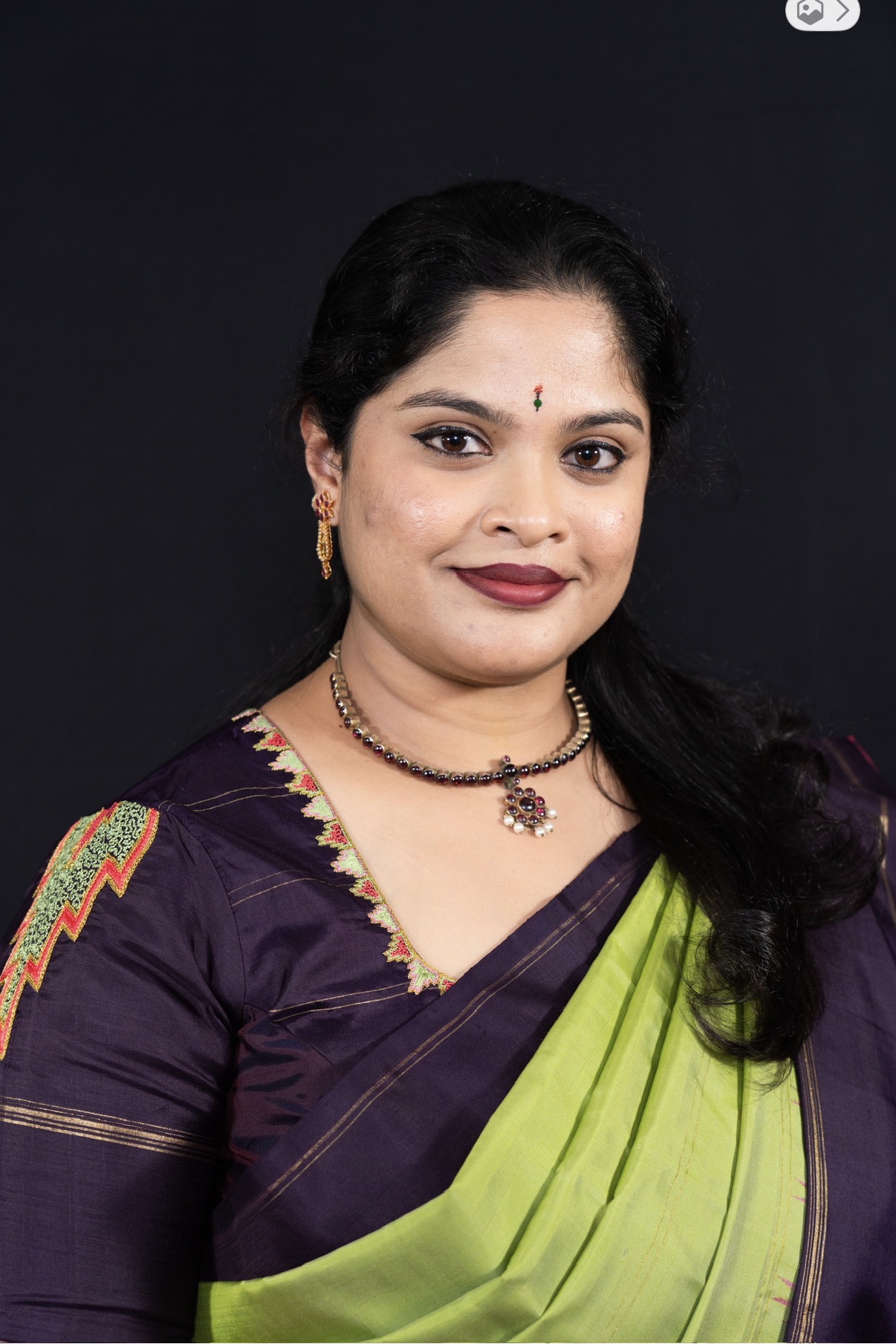
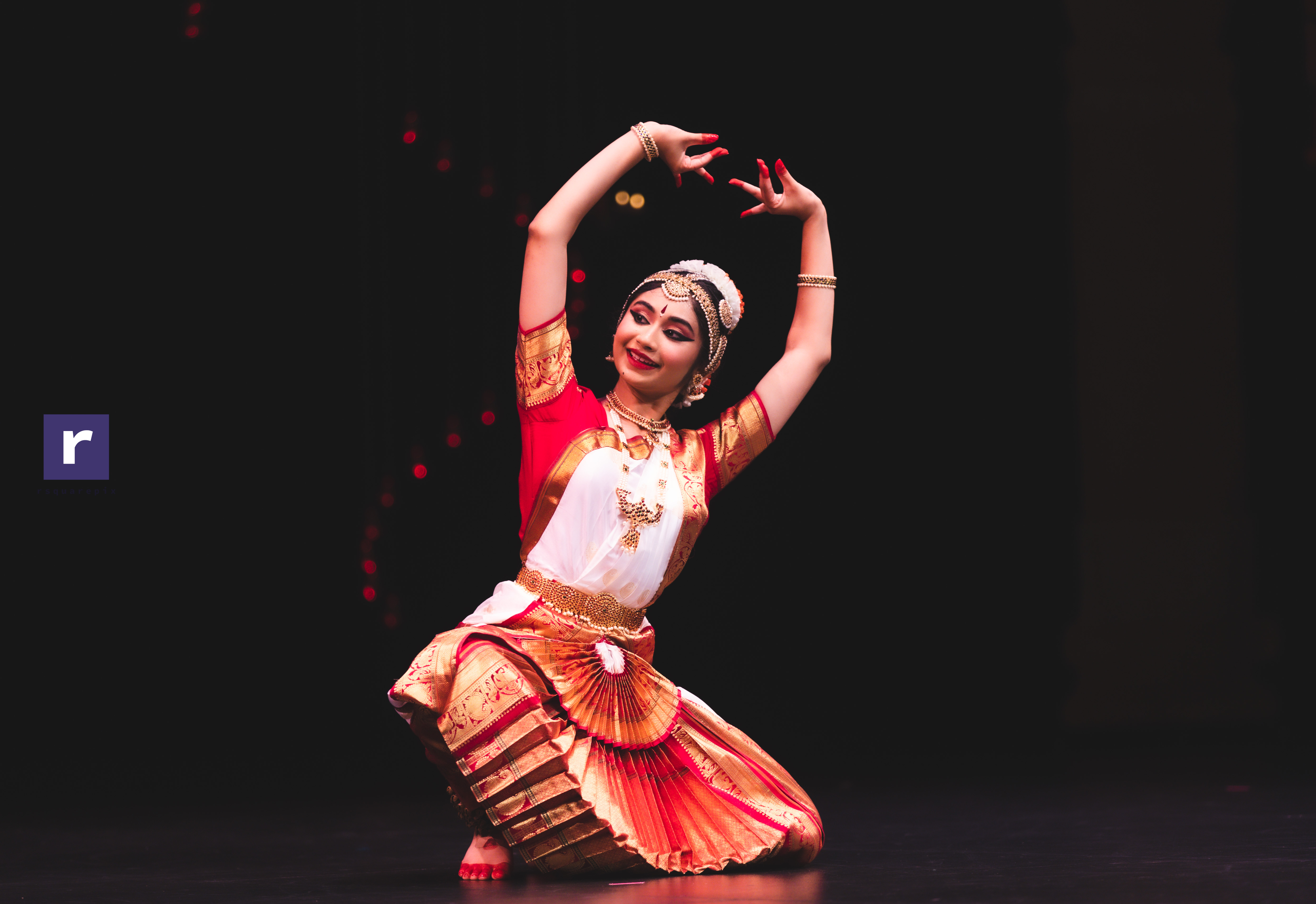
Vichitra Bani
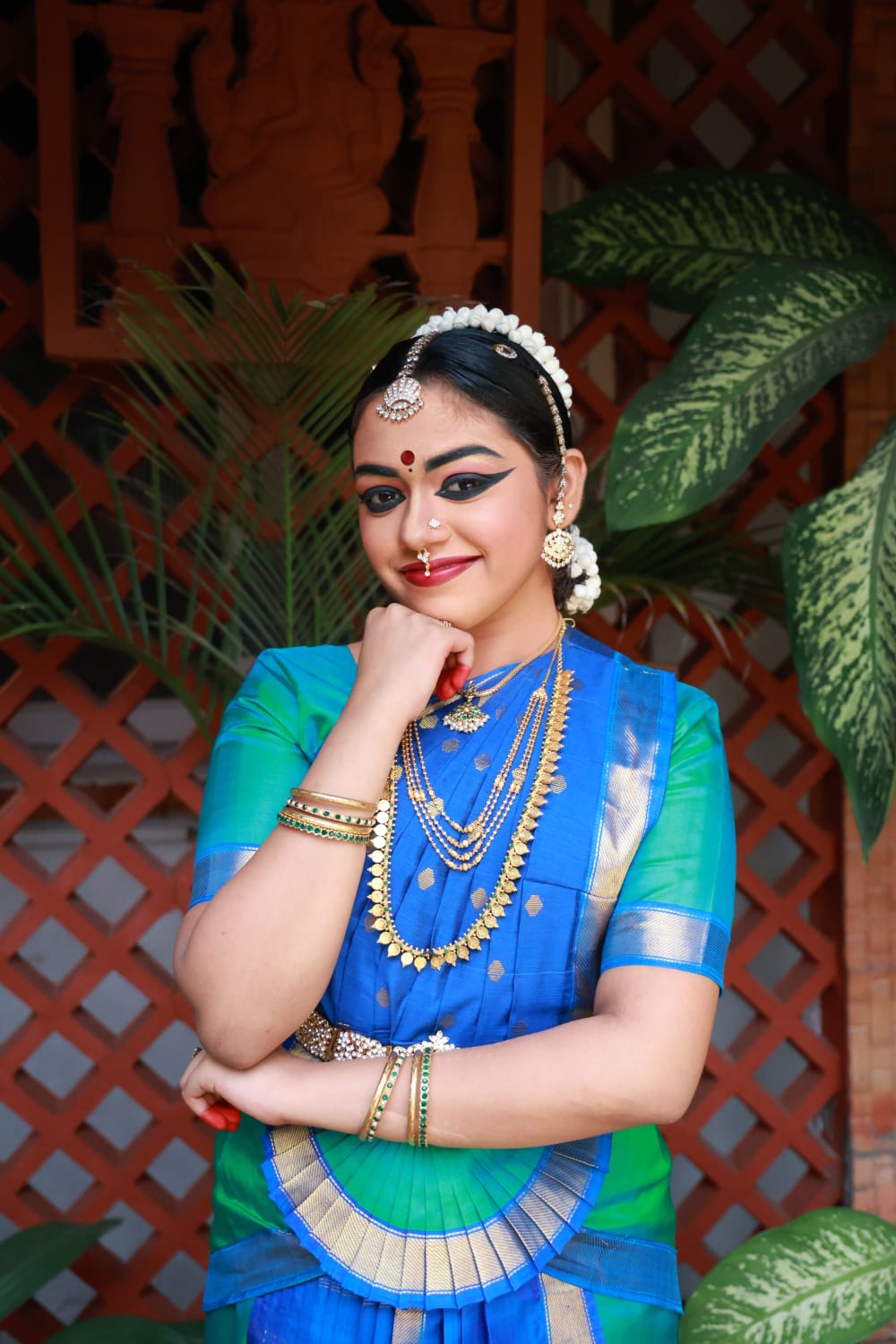
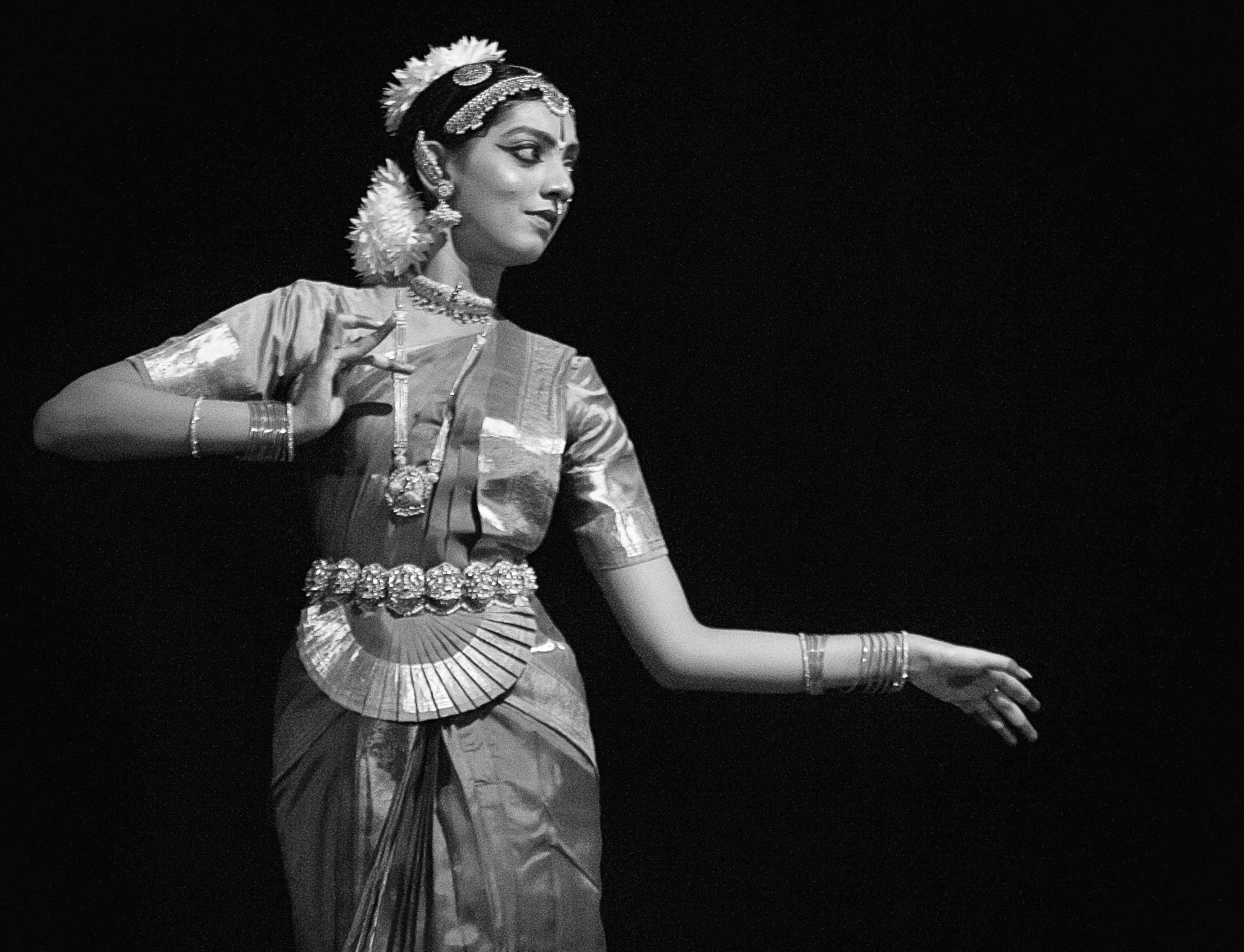
Bharatanatyam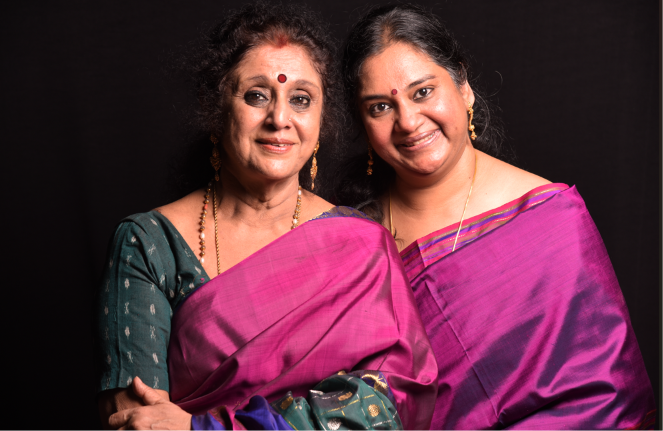
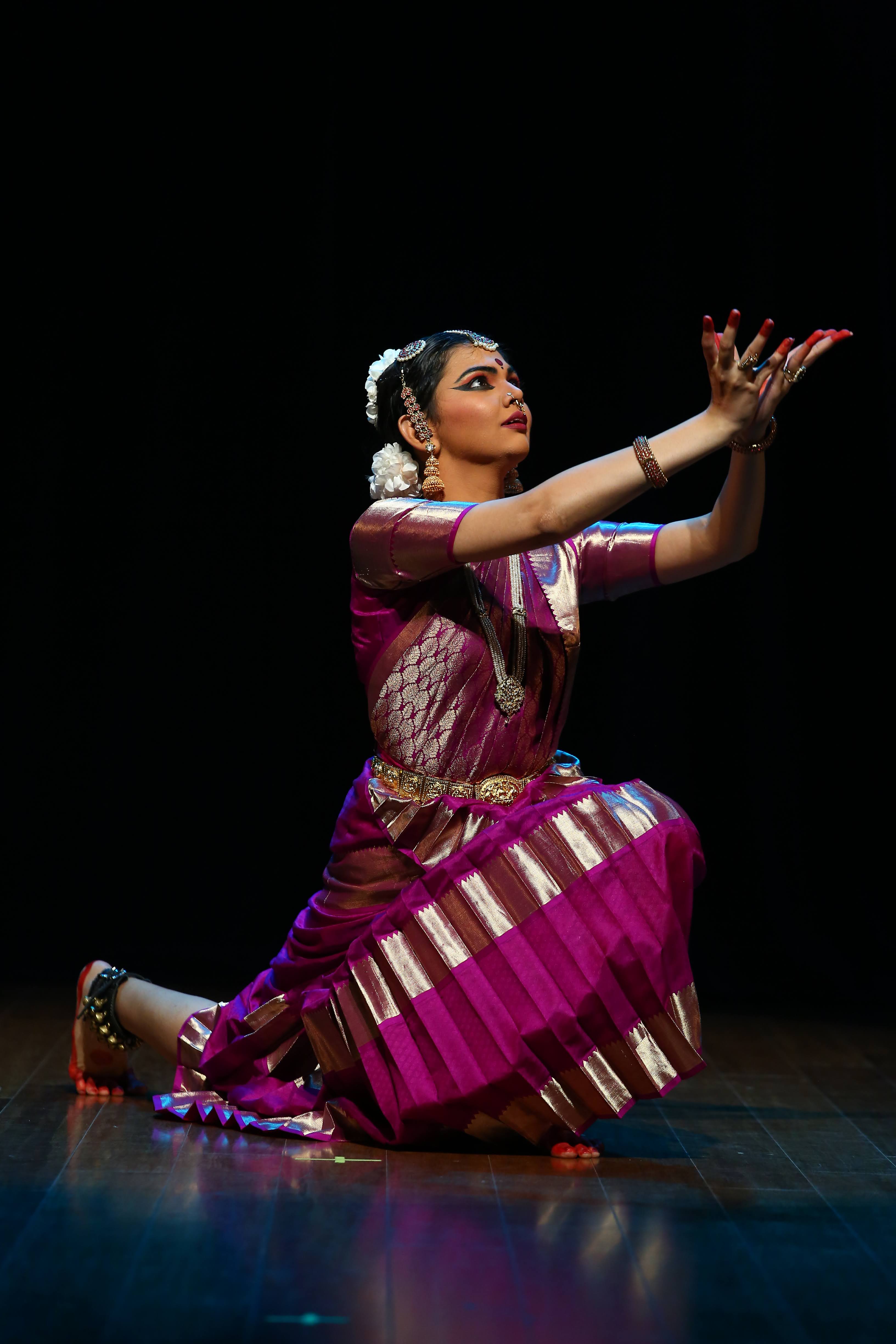
Pankaj Charan Das Style
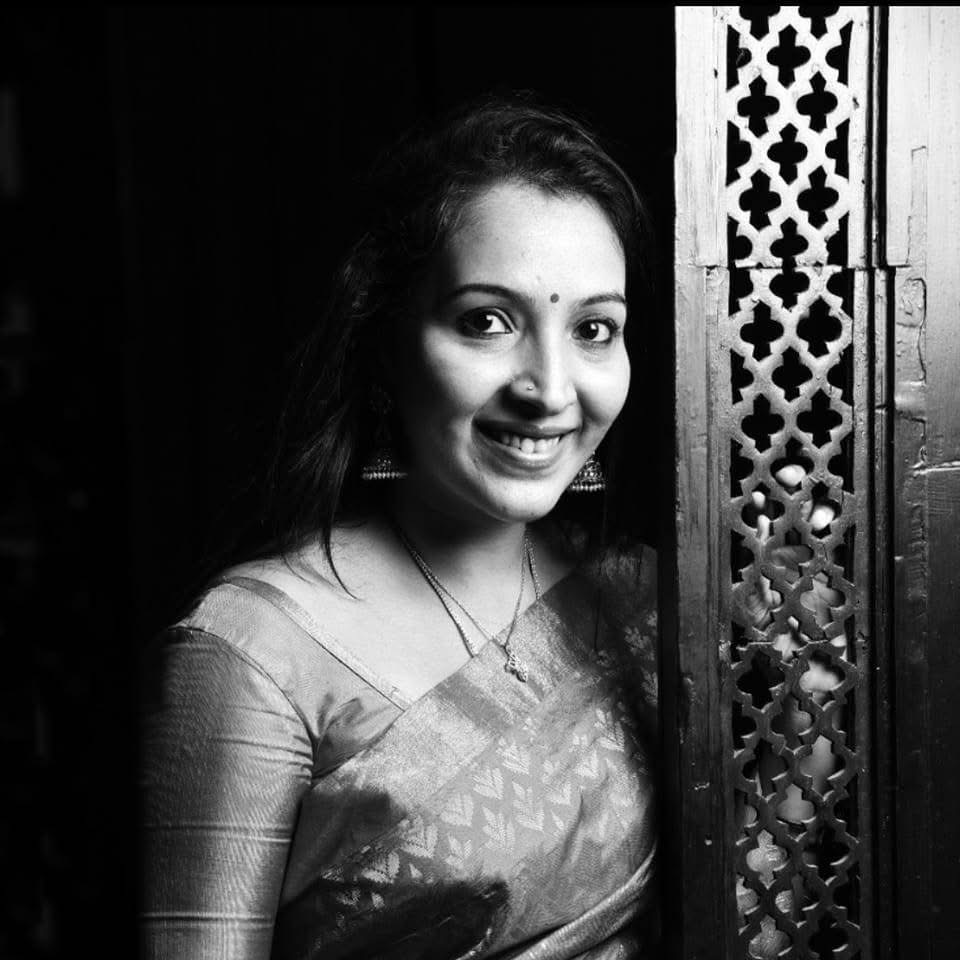
OdissiThe Odissi lineage of Guru Pankaj Charan Das, the "Adiguru" of modern Odissi, rooted directly in the Mahari (temple dancer) tradition in which he was raised. Preserves the Mahari repertoire's devotional interiority and distinctive abhinaya idiom.

Kalamandalam Style (Mohiniyattam)
MohiniyattamThe Mohiniyattam tradition rebuilt at Kerala Kalamandalam after the form's revival, in which Kalamandalam Kalyanikutty Amma — "the mother of Mohiniyattam" — was the pioneering figure. Defined by andolika torso grace, lasya-dominant movement and a codified adavu system.


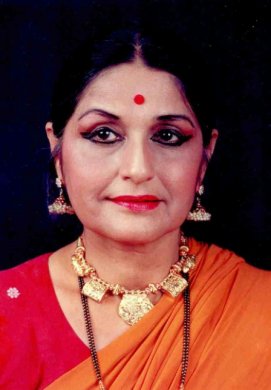
Siddhendra Parampara (Kuchipudi village tradition)
KuchipudiThe hereditary Kuchipudi tradition of Kuchipudi village, Andhra Pradesh, traced to Siddhendra Yogi and his Bhama Kalapam. Carried for centuries as an all-male dance-drama by the village's traditional families — Vedantam, Vempati, Pasumarthy, Bhagavatula and Chinta — before its twentieth-century reform into a solo concert form.
Bharati Shivaji
Mohiniyattam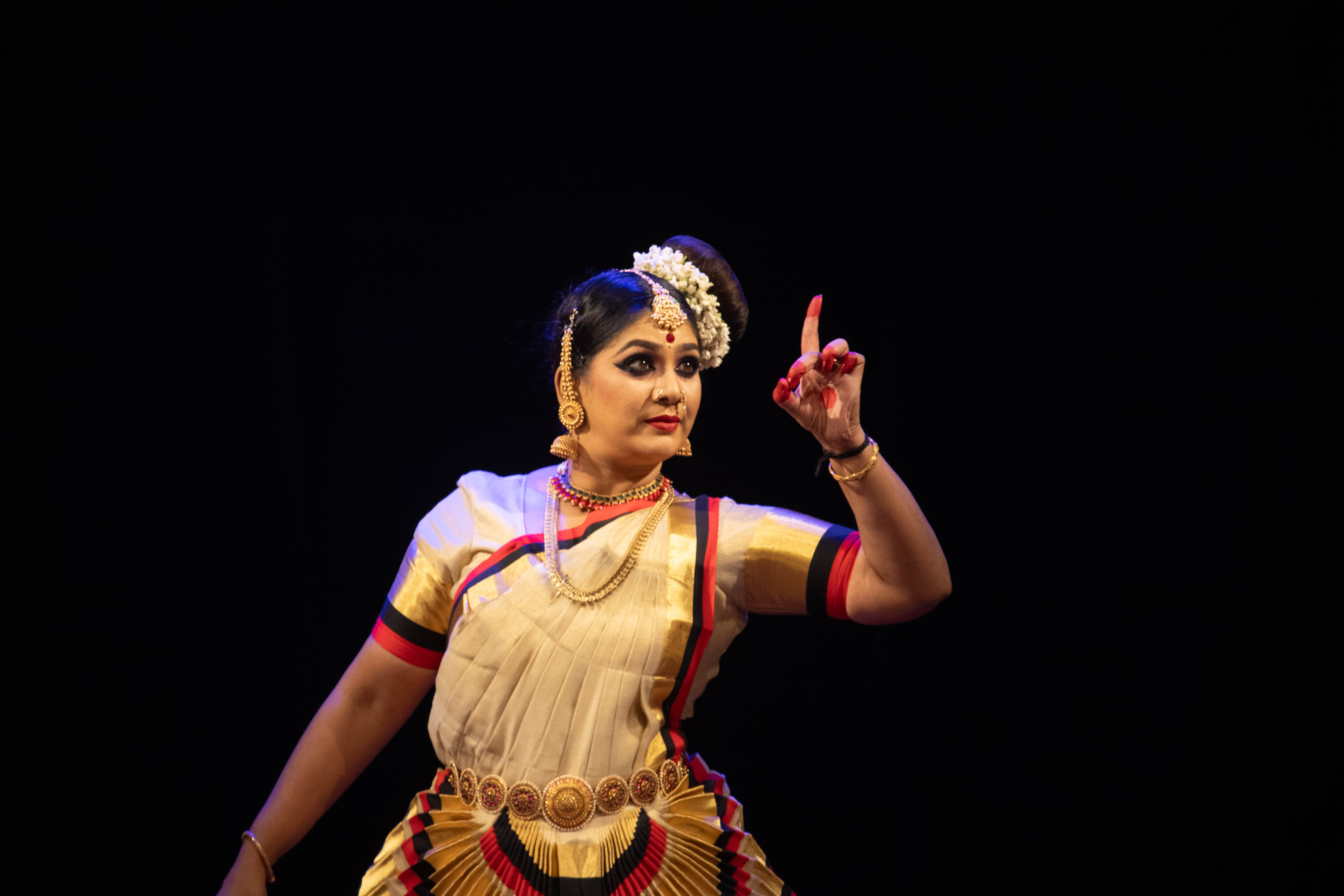
Melattur Style
BharatanatyamA Bharatanatyam style rooted in the Bhagavata Mela dance-drama tradition of Melattur village, revived and codified in the 20th century by Mangudi Dorairaja Iyer. Known for expansive movements, pronounced sringara-free abhinaya rooted in bhakti, and close ties to the natyadharmi dramatic tradition.
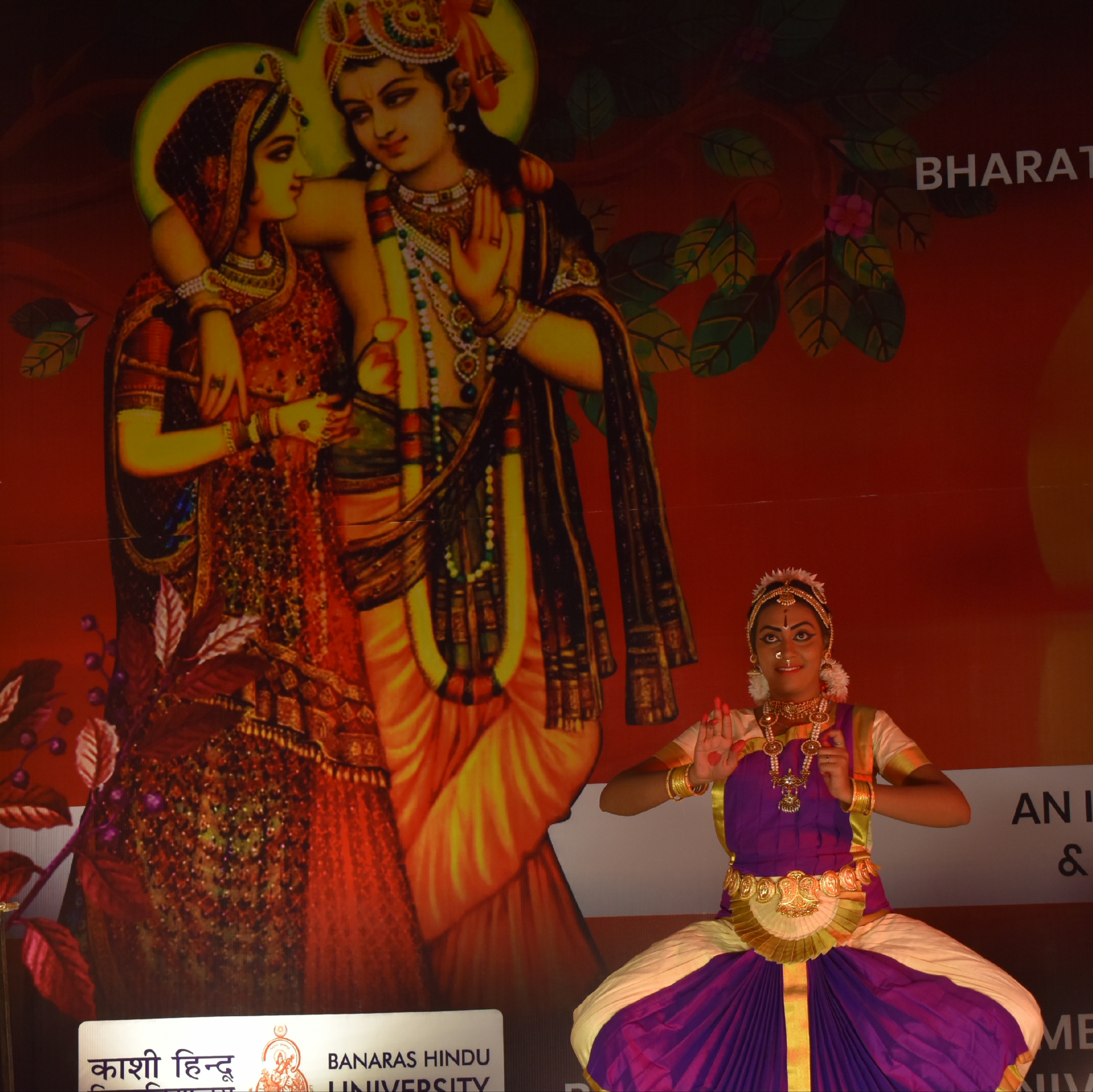
Mysore Style
BharatanatyamThe Bharatanatyam tradition patronised by the Wodeyar court of Mysore, associated with court dancers such as Jetti Thayamma. Characterised by lasya-dominant grace, distinctive repertoire pieces in Kannada and Sanskrit, and abhinaya shaped by the Mysore court's musical idiom.
Kanchipuram Bani
BharatanatyamThe Kanchipuram style of Bharatanatyam, carried by the nattuvanar Kancheepuram Ellappa Pillai of the Tanjore (Kandappa) school.
Jaipur Gharana
KathakThe Kathak gharana of Rajasthan, historically the oldest, emphasising vigorous footwork (tatkar), complex layakari and tayyari (technical command), with powerful spins and a strong nritta orientation compared to the abhinaya-leaning Lucknow school.
Debaprasad Das Style
OdissiThe Odissi school of Guru Debaprasad Das, one of the principal architects of the form's 20th-century reconstruction. Known for its earthy vigour, incorporation of Sabda-swara-patha and tribal (Sabar) and folk elements of Odisha alongside the classical vocabulary.
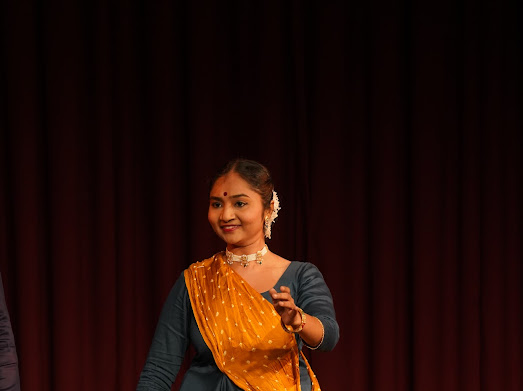
Sukanya Ravindhar
BharatanatyamBanaras Gharana
KathakThe Kathak gharana founded by Janakiprasad in Varanasi. Distinguished by its use of natwari bols (dance syllables distinct from tabla bols), symmetrical use of both sides of the body, and measured, dignified chakkars.
Kalluvazhi Chitta
KathakaliThe dominant modern style (chitta) of Kathakali, shaped at Kerala Kalamandalam from the tradition perfected by Pattikkamthodi Ravunni Menon. Known for its disciplined kalasams, precise eye and facial training, and codified choreography of the major plays.
Trained in a named Bani or dance school?
Claim your profile and add your lineage from the edit page — or create it if it's not here yet.
Claim Your Profile